The Family-Friendly Basement: Spaces Everyone Will Fight Over

basement

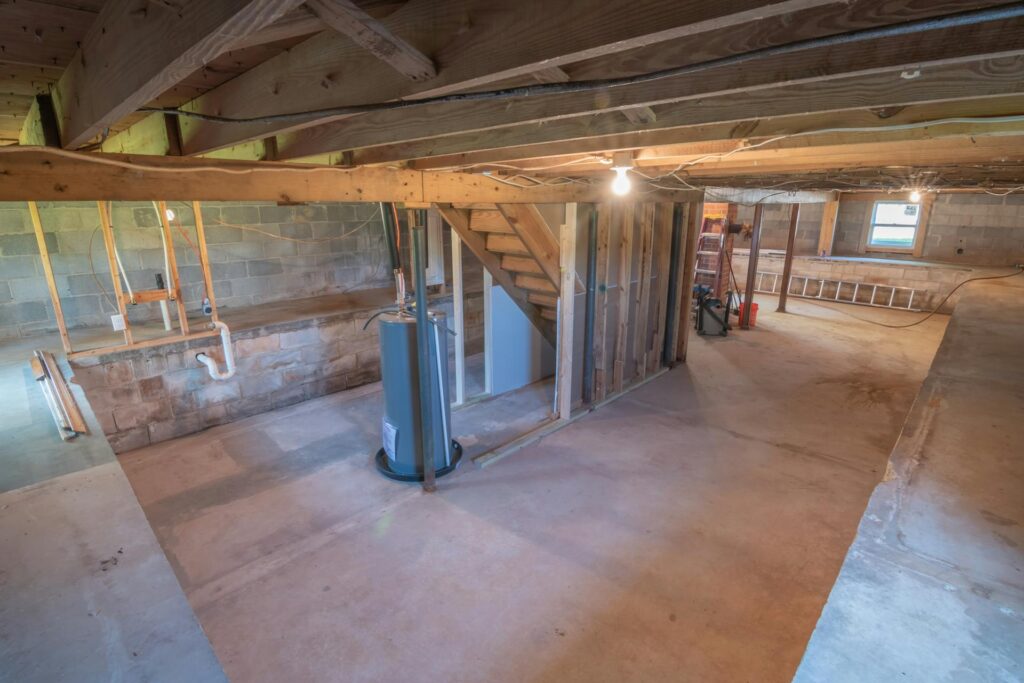
For years, basements were treated like afterthoughts—dark storage zones filled with forgotten holiday decorations and mismatched furniture. Not anymore. Today’s basements have serious potential to become the most loved space in the house. With thoughtful design and a little creativity, you can turn that lower level into a cozy, multifunctional retreat where everyone naturally gathers. The trick is designing a space that balances fun, comfort, and flexibility so it grows right along with your family.

Build a Strong Foundation With Smart Planning

Before picking out furniture or paint colors, think about how your family actually lives. A successful basement finishing project starts with a clear vision for how the space will be used day to day. Maybe you need a movie lounge that doubles as a homework zone. Maybe you want a play area that can eventually evolve into a teen hangout. Mapping out zones for different activities keeps the basement feeling organized rather than chaotic. When the layout is intentional, it allows multiple family members to enjoy the space at once without stepping on each other’s toes.

Create a Cozy Movie and Game Zone

home theater

Every family-friendly basement needs a spot designed purely for relaxing and having fun. A comfortable sectional, oversized bean bags, or even tiered seating can instantly transform the area into a private theater. Add a large screen, surround sound, and dimmable lighting to create a cinematic atmosphere. For game nights, include a coffee table that can handle board games or a wall-mounted shelf for consoles and controllers. When this zone feels inviting, it becomes the go-to destination for everything from Friday night movies to rainy Saturday afternoons.

Design a Kid-Friendly Play Area That Grows Up

If you have younger kids, carving out a playful corner can keep toys contained and chaos under control. Soft rugs, durable storage bins, and built-in shelving make cleanup easier and keep the space looking tidy. Bright colors or a fun accent wall can define the area without overwhelming the rest of the basement. As your kids grow, this same spot can transition into a study nook or creative studio. Flexible furniture and adaptable storage make it easy to refresh the space without a full redesign every few years.

Maximize Storage Without Sacrificing Style

One of the biggest challenges in family spaces is managing clutter. Built-in cabinetry, under-stair storage, and multi-purpose furniture like ottomans with hidden compartments can keep essentials out of sight. When storage blends seamlessly with the design, the basement feels open and welcoming instead of cramped. Neutral walls paired with consistent finishes also create a cohesive look, helping the entire level feel like an extension of the main floors rather than a disconnected afterthought.

Add a Quiet Escape for Adults

arm chair

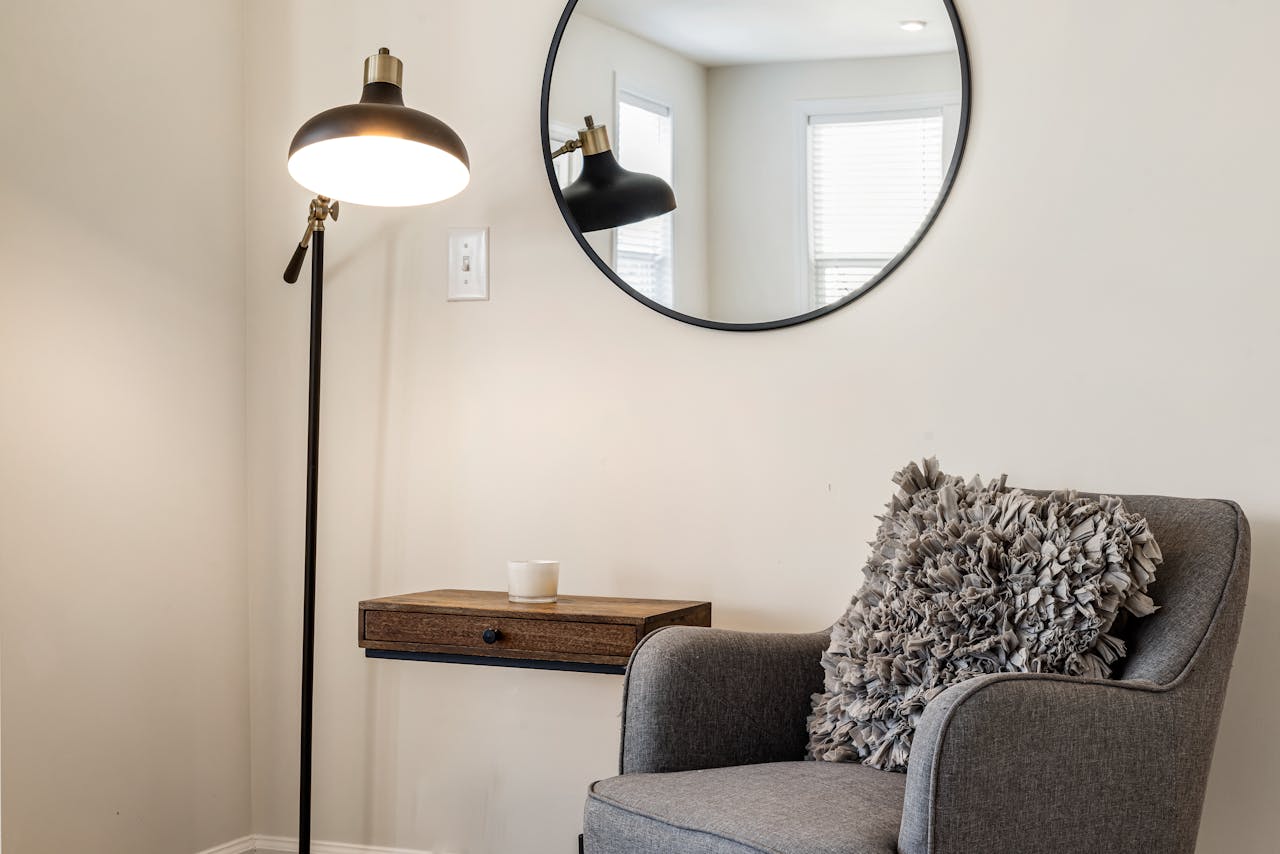
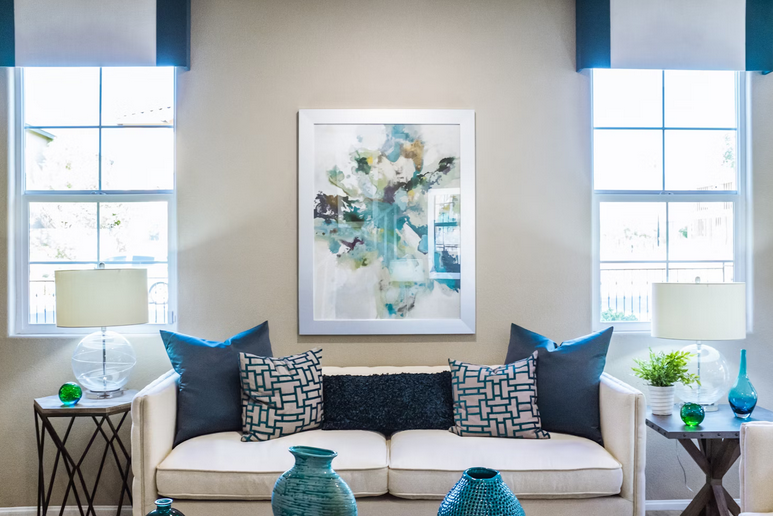
A truly balanced basement considers everyone’s needs—including the adults. Whether it’s a reading corner with a cozy armchair and floor lamp or a small home office tucked into one side, having a peaceful retreat adds versatility to the lower level. Sound-absorbing materials like plush rugs and upholstered furniture help keep noise from traveling, so kids can play while adults unwind nearby. Even a compact wet bar or coffee station can elevate the space and make it feel like a mini getaway within your own home.

Make It Warm and Inviting

Basements can sometimes feel cool or dim, so focus on adding warmth through lighting and texture. Layered lighting—overhead fixtures, wall sconces, and table lamps—eliminates shadows and makes the room feel brighter. Warm-toned paint colors, soft textiles, and wood accents counteract that typical underground chill. When the environment feels comfortable year-round, it naturally draws people in. A family-friendly basement isn’t just extra square footage—it’s an opportunity to create a shared space filled with connection and comfort.

With smart planning, cozy gathering zones, flexible design, and thoughtful storage, your basement can become the most fought-over room in the house. When everyone feels like there’s something just for them, the lower level transforms into a space where memories are made and time together feels effortless.…

How to Use Lighting, Candles & Soft Textures to Enhance a Faithful Atmosphere

candles

Creating a home that feels peaceful doesn’t require a complete makeover. Small shifts can spark a deeper sense of calm, and faith-inspired touches bring warmth no gadget can beat. You can start by weaving in simple elements—like gentle lighting, soft fabrics, or meaningful accents—to help set the tone. And if you want ideas that connect to Scripture-inspired decor, check out ChristianWalls artwork for some fresh directions.

Start With Warm Lighting That Invites Stillness

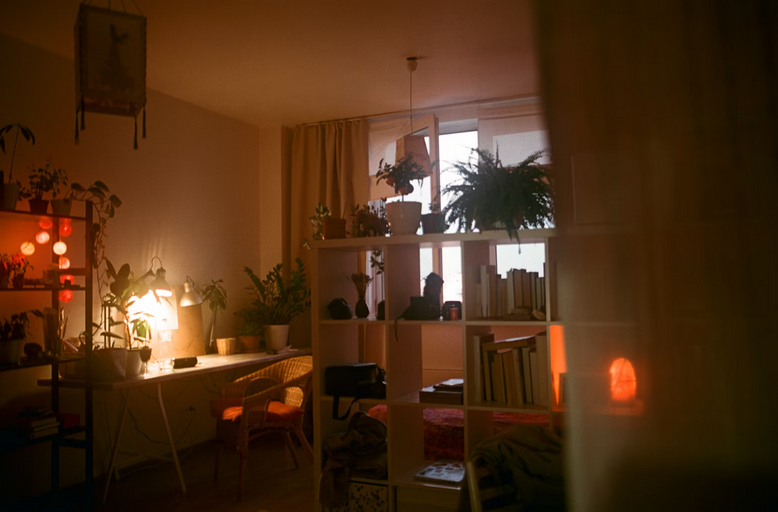
Soft lighting has this unspoken magic. It quiets a room faster than shushing a chatty toddler at bedtime. A warm-toned lamp near your favorite chair can shift your mind into a slower rhythm almost instantly. Even one small light source placed thoughtfully can change how grounded you feel in the evening. Experiment with layering lights instead of relying on one bright overhead. A table lamp mixed with a subtle spotlight or floor lamp gives your space depth. This creates moments within the room—like little pockets where your heart can settle. Think of it as giving your space multiple “breathing spots.”

Use Cozy Textures That Encourage Reflection

Textures carry emotional weight. A plush blanket or woven throw can transform a simple chair into a comforting retreat. Softness encourages stillness, and stillness gives space for spiritual grounding. It doesn’t need to be fancy; it just needs to feel welcoming to the touch. Pillows, rugs, and fabric wall hangings can introduce texture without cluttering the room. They soften harsh edges and help moments of quiet feel more natural. You’re essentially creating a gentle landing place for your thoughts. Think of it as giving your home a softer voice.

Let Candles Set a Peace-Driven Mood

Candles create an atmosphere no bulb can mimic. There’s something about that quiet flicker that feels purposeful, like a gentle invitation to pause. You can group a few candles together on a tray or place them on a small shelf to create an intentional moment. They work well in prayer corners or bedrooms where you want a slower pace. Scented candles add another layer. Soft vanilla, cedar, or mild citrus notes can shape the vibe without overwhelming the room. Keep the scents simple so the space feels calm instead of chaotic. One candle does the job—no need to create a bonfire in your living room.

Combine Scripture-Inspired Decor With Soft Surroundings

Faith-based decor blends beautifully with warm lighting and cozy surfaces. A framed verse placed above a candle can turn a simple corner into a meaningful space. The glow around the words almost gives them movement. It’s subtle, but memorable. Scripture pieces pair well with wood, linen, and soft cotton textures. Try placing framed art where your eyes naturally settle—like above a nightstand or on a hallway wall. This turns ordinary moments into small reminders of truth and peace. Mixing faith-focused items with warm materials keeps the space grounded and comforting, instead of feeling themed or overwhelming.

Create Small Zones That Encourage Connection and Quiet

You don’t need a whole room to make a peaceful faith-inspired nook. A chair, candle, light, and small Scripture piece can form an intimate escape. It’s about intention, not square footage. Many people carve out these zones near windows or beside bookshelves. Give each space its own purpose. One corner might be for quiet reflection, another for reading, and another for restful evenings. This gives your home a sense of flow that gently supports your spiritual rhythm. It’s a soft way of grounding yourself throughout the day.…

Smart & Sustainable: AI-Driven Homes for a Greener Future

As climate concerns grow and technology advances, a new kind of home is emerging—one that’s not only smart but also deeply sustainable. Artificial intelligence is reshaping how we live, offering smarter ways to conserve energy, reduce waste, and design homes that actively support the environment. This isn’t about adding a few smart plugs or a voice assistant—it’s about rethinking our homes from the ground up, with sustainability built into the core through intelligent systems.

Implementation of Sustainability in the Blueprint

AI is now playing a key role from the very beginning of home design. Architects and developers are using AI-powered tools to simulate energy performance, test sustainable materials, and determine the best layout for natural light and airflow. These early insights help reduce long-term environmental impact while improving comfort and efficiency. Reading insights available at www.it-boltwise.de allows professionals to stay updated on the latest in smart tech trends and tools that can drive sustainability in construction. As AI continues to integrate with design software, it enables smarter choices that blend both eco-conscious materials and intelligent systems right into the structure.

Upgraded Water Conservation

AI is also helping us tackle another critical resource: water. Smart irrigation systems use AI to monitor weather, soil moisture, and plant health to deliver the exact amount of water needed—no more, no less. Inside the home, smart leak detectors and water usage monitors catch waste before it becomes a problem. This kind of precise, data-driven control is revolutionizing how we approach everyday tasks. Instead of relying on one-size-fits-all schedules, homes now adjust water use based on real-time needs, helping homeowners save money while supporting a healthier planet.

Sustainable Living Through Automation

wall screen

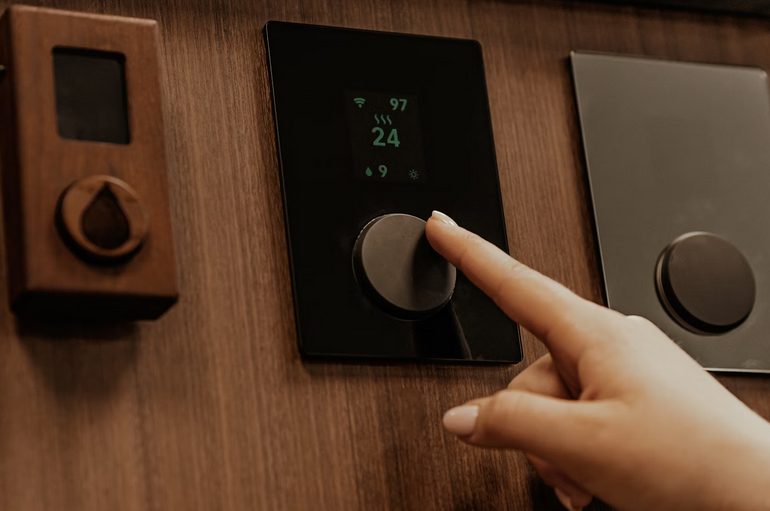
Home automation isn’t just about convenience—it’s also a powerful tool for environmental responsibility. AI-powered systems can shut off unused lights, unplug idle devices, and reduce HVAC use when no one’s home. These small adjustments add up to major energy savings over time. Beyond energy, automation extends to waste reduction, too. AI-enabled refrigerators can track expiration dates and suggest recipes based on what you already have, reducing food waste. Smart waste bins can even help sort recyclables correctly, minimizing landfill contributions.

Smarter Energy Use at Home

One of the most obvious ways AI contributes to greener living is by managing energy usage more efficiently than we ever could manually. Smart thermostats, appliances, and lighting systems now learn your habits and adjust automatically to reduce energy waste. They know when you’re home, when you’re away, and even anticipate your needs based on weather forecasts or daily routines. AI doesn’t just react—it predicts and optimizes. Over time, it creates a tailored energy profile for each household, lowering utility bills and shrinking your carbon footprint. In newer homes, entire energy management systems are designed around this concept, ensuring nothing is wasted.

Personalized Eco Habits

light control

Perhaps the most exciting aspect of AI in sustainable living is its ability to personalize habits that are good for the planet. AI systems provide gentle reminders, tips, and even gamify eco-friendly behaviors to keep users engaged. You might receive a notification suggesting cooler laundry settings or a weekly energy report that encourages more efficient habits. Over time, these systems learn what works for each household and tailor their suggestions to maximize long-term impact. It turns sustainability into something you can feel and measure—making it easier to stay motivated and informed.

AI-driven smart homes are no longer just futuristic ideas—they’re quickly becoming the standard for modern, sustainable living. By optimizing energy and water use, supporting eco-friendly behaviors, and reshaping how homes are designed, AI is making it possible to live comfortably while caring for the planet. The greener future we’ve been talking about? It’s already arriving, one intelligent home at a time.…

The Hidden Costs of Ignoring Sustainability in Construction

house

When planning a building project, it can be tempting to focus only on the upfront expenses while overlooking the long-term implications of design and materials. However, ignoring sustainability often leads to higher operating costs, maintenance challenges, and reduced property value over time. Energy inefficiency, poor insulation, and reliance on non-renewable materials create financial and environmental burdens that become increasingly difficult to manage. Many builders and homeowners are beginning to recognize the importance of eco-friendly approaches by exploring platforms like hausbau-forum.de, where discussions about sustainable practices and cost-saving methods are actively shared. By factoring in sustainability from the beginning, you not only protect the environment but also safeguard your investment against future expenses. Choosing to cut corners today often results in hidden costs that far outweigh the initial savings.

Rising Energy and Utility Expenses

One of the most immediate costs of unsustainable construction is higher energy consumption. Buildings that lack proper insulation, efficient windows, or renewable energy systems often require more heating, cooling, and electricity to remain comfortable. This translates into long-term financial strain for occupants through inflated utility bills. By contrast, sustainable buildings are designed to minimize energy use, often cutting costs significantly over time. What may seem like a saving during construction becomes a constant financial drain when energy inefficiency is ignored.

Increased Maintenance and Repair Costs

fixing

Ignoring sustainability can also lead to greater maintenance expenses. Cheap, non-durable materials may lower initial costs, but they often deteriorate faster and require frequent repairs or replacement. Unsustainable building methods can also lead to structural weaknesses, poor ventilation, or water damage, all of which result in costly long-term maintenance. In contrast, sustainable materials and construction techniques are chosen for durability, meaning they last longer and perform better under various environmental conditions.

Health and Productivity Concerns

Sustainability is not just about environmental responsibility; it also directly affects human health. Buildings constructed without eco-friendly considerations often have poor indoor air quality due to toxic paints, inadequate ventilation, or mold caused by energy inefficiencies. These conditions can lead to respiratory problems, allergies, and reduced overall well-being for occupants. In workplaces, this can further result in decreased productivity and higher healthcare costs. Investing in sustainable design with natural ventilation and low-VOC materials creates healthier living and working environments.

Environmental and Social Costs

Beyond financial implications, ignoring sustainability has broader consequences for society and the planet. Conventional construction contributes significantly to carbon emissions, resource depletion, and waste generation. These environmental costs ultimately circle back to communities through climate change impacts, higher infrastructure expenses, and increased vulnerability to extreme weather. Sustainable construction practices, on the other hand, reduce environmental strain and promote resilience, benefiting both current and future generations.

Negative Impact on Property Value

arrow

As buyers and investors become more conscious of environmental issues, properties without sustainable features are losing appeal in the market. Homes and commercial buildings that fail to meet modern sustainability standards risk lower resale values and reduced rental demand. On the other hand, eco-friendly buildings with certifications such as LEED or energy-efficient ratings often enjoy higher property values and faster sales. Ignoring sustainability not only affects current living conditions but also undermines future financial returns.

The hidden costs of ignoring sustainability in construction far outweigh the perceived benefits of saving money. Higher utility bills, frequent repairs, health problems, declining property values, and environmental damage all stem from unsustainable choices. Embracing sustainability ensures buildings are efficient, durable, and market-ready while also promoting healthier lifestyles and stronger communities. By prioritizing eco-friendly practices, builders and homeowners can avoid these hidden costs and secure long-term value for both people and the planet.…

Ideas to Keep Your Water Heater Running Longer in Hard Water Regions

hard water

Hard water is a widespread issue that silently affects many households. It contains higher levels of magnesium and calcium, which can cause scale buildup inside appliances—especially your water heater. Over time, this buildup reduces efficiency and leads to mechanical failure. Whether you’re maintaining an older system or considering a hot water heater installation, it’s important to be proactive. With a suitable approach, you can minimize damage and extend your water heater’s lifespan without excessive effort or cost.

Flush the Tank on a Regular Basis

Sediment accumulation in your tanks bottom is one of the most common issues in hard water zones. Performing a flush once or twice a year can help reduce mineral buildup and maintain heater efficiency. If you hear rumbling or popping noises, it may already be time to flush.

Install a Sediment Pre-Filter

A pre-filter installed at your water main can trap coarse particles before they enter your home’s plumbing system. This barrier protects your water heater from large mineral fragments, slowing internal corrosion and helping the heater work more smoothly.

Inspect and Replace the Anode Rod

The anode rod is a metal shaft that attracts minerals and corrosion, protecting the interior of your water heater. Over time, it wears down and becomes ineffective. By checking the rod every few years and replacing it when necessary, you can reduce rusting and extend your heater’s service life.

Insulate the Tank and Pipes

While this doesn’t directly combat hard water, it does reduce energy loss and strain on your water heater. Using insulation wraps around the tank and pipe foam for exposed plumbing keeps heat in, resulting in less work for your heater.

Lower the Thermostat

Setting your water heater to a temperature around 120°F helps decrease mineral buildup. Higher temperatures tend to increase the rate at which scale forms inside the tank. Lower heat also means less energy usage, adding savings to your monthly utility bill.

Consider a Water Softener

Water softeners lessen the mineral content in your water supply, preventing scale deposits throughout your home. While this can be an investment, the long-term benefits include less maintenance, better appliance performance, and extended water heater life. This is especially useful for households experiencing frequent plumbing issues tied to mineral buildup.

Get a Professional Inspection Annually

A qualified technician can identify early signs of wear and suggest necessary repairs before small issues turn into major expenses. These checkups often include thermostat testing, valve inspections, and sediment checks—helping you stay ahead of costly breakdowns.

Taking care of your water heater in a hard water area doesn’t have to be overwhelming. By following simple maintenance steps like flushing the tank, checking the anode rod, and using insulation, you can prevent the damage typically caused by mineral buildup. These efforts go a long way in maintaining system efficiency and avoiding early replacement costs.…

Transform Your Space: The Impact of Bold Art on Real Estate Value

art

In a world where first impressions are everything, the right piece of art can be your secret weapon in the real estate game. Imagine walking into a home adorned with vibrant colors and striking visuals that instantly captivate and engage potential buyers—it’s more than just decor; it’s an invitation to dream. As we dive into how bold art transforms spaces, we’ll explore its undeniable impact on property value, turning ordinary listings into extraordinary showcases. Whether you’re a homeowner looking to elevate your space or a realtor aiming to make properties stand out in a crowded market, discover how creativity can enhance aesthetics and boost appeal. Get ready to unlock the full potential of your living environment—because when it comes to real estate, sometimes it’s all about what hangs on the walls.

Adding Personality and Character

How to design your wall in an art gallery should be an important consideration for homeowners seeking to make an impactful statement. One of the main reasons why bold art can enhance the appeal of a home is that it injects personality and character into a space. Rather than relying solely on neutral tones and basic furniture, a carefully chosen piece of art can be a conversation starter and create a focal point in a room. Whether it’s an abstract painting, a colorful photograph, or a statement sculpture, bold artwork can give a home an edge that makes it stand out from others on the market.

Buyers often want a home that feels unique and special, and art is a perfect way to achieve that without making drastic renovations. When people walk into a room with a large, bold piece of art, they can instantly see that the space is curated and thoughtfully designed. It gives them a glimpse into the potential of what their lifestyle could look like in that space, making the home feel more like a reflection of personal taste and style.

Creating Memorable Spaces

It’s no secret that first impressions matter. When a potential buyer walks into your home, you want them to feel something, to remember it long after they’ve left. Bold art can make your home memorable by setting the tone for each room. Think of the impact of a dramatic piece in a living room or a vibrant piece in a dining area — it creates a strong atmosphere that sticks in the mind.

Moreover, art can help define different areas of the home. For example, a modern art piece in a kitchen can give the space an urban, sleek feel, while a classic landscape painting in a bedroom may evoke a sense of tranquility and relaxation. By strategically placing bold art pieces in key spaces, you can help buyers visualize themselves living in the home and enjoying the aesthetic of each room.

Enhancing the Perceived Value of the Home

perceive

It’s important to remember that art doesn’t just add visual interest; it can enhance the perceived value of a home as well. When buyers see well-curated, bold artwork in the space, they may assume the home has been well taken care of overall, and they may view it as a more sophisticated or high-end property.

Moreover, when art is displayed professionally — framed properly, placed at eye level, and curated thoughtfully — it conveys the idea that the home is a refined, stylish place. The psychological effect of this is that the buyer may see the house as worth more because it offers a unique and elevated aesthetic experience. Whether it’s a painting or a sculpture, art can evoke feelings of luxury and refinement, creating an upscale atmosphere that contributes to the home’s overall value.

Increasing Emotional Connection

One of the biggest factors in the decision-making process when buying a home is emotional connection. Buyers often feel drawn to properties that resonate with them on a personal level. Bold art can evoke emotion, whether it’s excitement, nostalgia, or inspiration. By introducing art that tells a story or evokes certain feelings, you create an environment that can emotionally connect with potential buyers, making them more likely to make an offer.

Offering Timeless Investment

Art is also a long-term investment. While trends in home décor come and go, art remains timeless. Buyers may appreciate that they are not only buying a home with great style but also acquiring art that has value in its own right. Whether it’s an emerging artist or a well-known name, art often appreciates over time, making it an attractive addition to any home’s portfolio.

Incorporating bold, impactful art into your home can do wonders for its real estate value. It adds personality, creates memorable spaces, and enhances the perceived value of your home, all while forming an emotional connection with potential buyers. So, the next time you’re looking for a way to elevate your space, consider investing in art that will not only beautify your home but also increase its appeal on the market.…

How to Choose the Perfect Color Palette for Every Room in Your Home

room

Choosing the right color palette for your home can feel overwhelming, but with the right approach, it can be an exciting and rewarding experience. The colors you choose will set the tone for your space, influence the atmosphere, and even affect your mood. Whether you’re decorating a cozy bedroom, a lively living room, or a functional kitchen, picking the right colors can make all the difference. But if budget is somewhat an issue, here’s a guide to Home Interior Design on a Budget.

Start With the Room’s Purpose

Every room in your home serves a different purpose, and this should influence the colors you choose. For example, bedrooms are often places of rest and relaxation, so soft, calming colors like pastel blues, greys, or light neutrals are great choices. In contrast, a kitchen or dining area might benefit from vibrant colors that stimulate appetite and energy, such as rich reds, oranges, or greens. Living rooms are often multipurpose spaces, so a balanced palette with a mix of warm and cool tones can create a welcoming and versatile environment. Consider the mood you want to create in each room: calm and serene for bedrooms, energetic and engaging for playrooms, or warm and inviting for living spaces.

Consider the Size and Lighting of the Room

dim lighting

The size and lighting of a room play a significant role in how colors will appear. Dark colors, like deep blues or charcoal greys, can make small rooms feel cozy and intimate but may also make them feel smaller. If you’re working with a small space, lighter shades like soft whites, pale yellows, or light greys will help the room feel airy and open. On the other hand, large rooms can handle darker tones, as they won’t make the space feel too enclosed. Lighting is also important to consider. Natural light can make colors appear lighter and brighter, while artificial lighting can give colors a different tone. If a room doesn’t get much natural light, go for lighter or warmer tones to keep the space from feeling too cold or dark.

Use the 60-30-10 Rule

A helpful rule to keep in mind when choosing your color palette is the 60-30-10 rule. This rule divides the color scheme into three parts:

  • 60% of the room should be the dominant color, typically for walls and larger furniture pieces.
  • 30% should be the secondary color used for smaller furniture, curtains, and accent walls.
  • 10% should be the accent color, which brings in pops of contrast and can be applied through accessories like throw pillows, rugs, or artwork.

This balanced approach ensures that no single color overwhelms the space and creates a cohesive and visually appealing look.

Incorporate Your Personal Style

personal style

Your home should reflect your personality and style, so choose colors that resonate with you. If you’re drawn to earthy tones, consider warm browns, terracotta, and olive greens for a natural vibe. If you love minimalism, neutral colors like whites, beiges, and greys might suit your style. Consider your existing furniture and décor. If you have colorful art or patterned furniture, choose a more neutral palette for the walls to let those items stand out. On the other hand, if your furniture is more neutral, you can experiment with bolder colors on the walls or accents.

Create Flow Between Rooms

When selecting a color palette for your entire home, consider how the colors will flow from one room to the next. While it’s fun to have different colors in each room, creating a sense of continuity is key to making your home feel harmonious. A common approach is to choose one or two colors that will appear throughout your home in different variations. For example, you might use shades of blue in various rooms, from soft sky blue in the living room to deeper navy tones in the bedroom. This creates a sense of cohesion while still allowing for variety in individual spaces.

Test Samples Before Committing

Once you’ve narrowed down your color choices, it’s always a good idea to test out paint samples before committing to a full room. Paint a small patch on your wall and observe how the color looks at different times of day under both natural and artificial light. You might find that the color looks completely different than you imagined, and adjusting slightly can make a huge difference. You can also experiment with furniture, textiles, and accessories in the color you’re considering to see how everything ties together.

Choosing the perfect color palette for every room in your home doesn’t have to be stressful. By considering the purpose of each room, the size and lighting, your personal style, and how colors will flow throughout your space, you can create a home that feels balanced and inviting. Remember to use the 60-30-10 rule for a cohesive design, and always test your colors before making a final decision.…

The Evolution of Building Materials: Innovative Techniques That Are Redefining Home Construction

wooden

Welcome to the future of home construction. As we step into an era where innovation and sustainability go hand in hand, the world of building materials is undergoing a fascinating transformation. Gone are the days when concrete and bricks reigned supreme; today’s architects and builders are harnessing cutting-edge techniques that enhance durability and promote eco-friendliness. From 3D-printed homes to bio-based composites, this evolution redefines what it means to build smartly and sustainably. Join us as we explore these groundbreaking materials and techniques that are reshaping our living spaces, one innovative solution at a time.

3D Printing in Construction

3D printing isn’t just for making small objects or prototypes anymore. It’s revolutionizing the construction industry. Using giant 3D printers, companies can now print entire homes or sections of homes from materials like concrete. This technique reduces labor costs, speeds up the building process, and minimizes waste, making it an eco-friendly option for home construction.

The precision of 3D printing allows for more complex and creative designs that would be difficult or expensive to achieve with traditional methods. In some places, 3D-printed homes are already being built in days instead of months, a giant leap forward for affordable housing.

Modular Construction

section

Modular construction is another game-changer in the homebuilding world. In this process, homes are built in sections, or “modules,” in a factory setting and then transported to the building site for assembly. This off-site construction technique can significantly reduce the time it takes to complete a home while ensuring better quality control.

Modular homes are typically more affordable and sustainable, as factories can more easily recycle materials and control waste. Plus, because construction happens indoors, weather delays are minimized, speeding up the entire process. If you read the 1a-immobilienmarkt.de site, you will learn more about modular construction and why it’s becoming increasingly popular in the industry.

Sustainable Building Materials

Sustainability is no longer just a buzzword; it’s becoming a significant focus in home construction. Builders now use eco-friendly materials like recycled steel, bamboo, and reclaimed wood to create greener homes. These materials are not only sustainable but also durable and energy-efficient.

One exciting development in sustainable materials is the use of cross-laminated timber (CLT). CLT is a strong, lightweight wood that’s been laminated together in layers. It’s a renewable resource, reduces carbon emissions, and offers excellent insulation, making homes built with CLT more energy-efficient.

Energy-Efficient Smart Homes

Smart homes aren’t just about controlling your thermostat from your phone—they’re about making your home more energy-efficient and environmentally friendly. Smart home technology can automate heating, cooling, lighting, and even water usage, helping to reduce energy consumption and lower utility bills.

With advancements in solar panel technology and battery storage, many homes are now equipped with renewable energy systems to power the entire house. These energy-efficient homes benefit homeowners by saving money in the long run and help reduce the overall carbon footprint.

Insulated Concrete Forms (ICF)

insulation

Insulated Concrete Forms (ICF) are quickly gaining popularity in modern home construction. This technique involves using hollow blocks made from insulating foam, which are then filled with concrete. The combination of foam and concrete creates incredibly strong, energy-efficient, and soundproof walls.

Due to their solid construction, homes built with ICF are more resistant to natural disasters like hurricanes or earthquakes. They’re also great at maintaining consistent indoor temperatures, which can drastically reduce heating and cooling costs. This method offers homeowners peace of mind and long-term energy savings.

Green Roofs and Living Walls

Green roofs and living walls are becoming trendy in eco-friendly home design. These innovative construction features involve covering roofs or walls with vegetation, turning parts of the home into natural, living landscapes. Green roofs provide insulation, help reduce stormwater runoff, and improve air quality by absorbing pollutants. Living walls can add a beautiful aesthetic while providing similar environmental benefits. Both features make homes more sustainable and add a unique, modern touch to the home’s overall design.

The home construction industry is evolving rapidly, with new techniques and technologies pushing the boundaries of what’s possible. From 3D printing and modular construction to sustainable materials and smart home tech, these innovations are making homes more affordable, eco-friendly, and efficient than ever before. Whether you’re planning to build a house or just excited about the future of construction, these cutting-edge techniques are changing how we think about building our living spaces.…

Luxurious Bathroom Flooring Ideas to Steal for a Spa-Like Retreat

bathroom

Your bathroom isn’t just a place to take a shower— it’s a sanctuary where you can soak in serenity after a long day. The right flooring can make all the difference, transforming your bathroom into a spa-like retreat. You see, people often spend 15-30 minutes in the bathroom, so it’s always a plus to have a floor that exudes luxury. Today, we’ll talk about some of the popular bathroom flooring ideas that’ll elevate your space and give you a spa-like experience. Let’s get started.

Porcelain Tile

This type is a versatile and durable option for creating luxurious bathroom flooring. Its non-porous surface makes it resistant to water, stains, and bacteria, perfect for maintaining a clean and hygienic space. With various colors, patterns, and finishes available, porcelain tile simply allows you to customize your bathroom to suit your style preferences.

The sleek and modern look of porcelain tile can simply elevate the ambiance of your bathroom, giving it a sophisticated touch. We’re talking about minimalist aesthetics and even bold statement floors. Its easy maintenance also makes it an ideal choice for busy households looking for both beauty and functionality in their bathroom flooring.

Natural Stone

stones

The cool touch of stone under your feet creates a spa-like atmosphere that instantly elevates your bathroom experience. Not only does natural stone flooring look stunning, but it is also durable and easy to maintain with proper sealing. Its resistance to water makes it an ideal choice for bathrooms where moisture levels can be high.

From sleek modern bathrooms to rustic retreats, natural stone flooring complements a variety of design styles effortlessly. Embrace the beauty of nature in your own home by incorporating this luxurious material into your bathroom renovation project.

Wood-Look Tiles

These tiles offer the warmth and natural beauty of real wood without the maintenance concerns. With advanced technology, wood-look tiles now come in a wide library of colors, textures, and finishes that mimic the look of hardwood floors effortlessly. Whether you prefer a classic oak or a trendy distressed finish, there’s a wood-look tile option to suit your taste.

Not only do these tiles add an element of sophistication to your bathroom, but they are also durable and water-resistant – perfect for withstanding moisture in humid environments like bathrooms. Say goodbye to warping or staining typical of traditional hardwood floors.

Pebble Tile

pebbles

These small, rounded stones create a natural and soothing feel underfoot, reminiscent of a peaceful riverbed or zen garden. Pebble tiles come in various colors and sizes, allowing you to customize the look to suit your style – whether you prefer earthy neutrals or vibrant pops of color. Their textured surface provides grip when wet, making them not only beautiful but practical for bathrooms.

So what do you think? Which would you choose? Don’t worry. Each of these flooring ideas can definitely turn your bathroom into a magical sanctuary where you can unwind and rejuvenate after a long day. Just be sure to pick a flooring option that not only complements your style but also enhances the overall ambiance of your space.…

Prefab Revolution: How Modular Homes Are Changing the Housing Landscape

The housing industry is experiencing a revolution, and modular homes are at the forefront of this transformative movement. Prefabricated or prefab houses, as explained on PNP.de, are constructed in sections off-site or in a controlled manufacturing environment, and then transported to the building site for assembly. This innovative construction approach is reshaping the housing landscape, offering numerous advantages in terms of affordability, sustainability, efficiency, and design flexibility. In this article, we will explore how modular homes are changing the way we think about housing and revolutionizing the industry.

Affordability and Cost Savings

One of the key driving forces behind the popularity of modular homes is their affordability. Compared to traditional construction methods, modular homes can offer significant cost savings. The controlled factory setting allows for streamlined production, reduced labor costs, and bulk material purchasing, resulting in a more budget-friendly option for homeowners. Additionally, the shorter construction time and minimized disruption to the building site further contribute to overall cost savings.

Sustainability and Energy Efficiency

Modular homes are not just affordable; they also prioritize sustainability and energy efficiency. The precise manufacturing process used in prefabrication ensures minimal material wastage and optimized resource utilization. Furthermore, modular homes are designed to meet the highest energy efficiency standards, utilizing insulation, advanced ventilation systems, and energy-saving appliances. With sustainable materials, efficient systems, and the ability to incorporate renewable energy sources, modular homes offer environmentally conscious solutions that reduce the carbon footprint associated with housing.

Improved Construction Quality

Contrary to common misconceptions, modular homes are not built with subpar quality. The controlled factory environment ensures high construction standards and rigorous quality control measures. This precise manufacturing process eliminates errors, reduces risks associated with weather exposure, and minimizes issues related to on-site construction. By utilizing advanced technologies, modular homes are constructed with precision, resulting in structurally sound and durable dwellings.

Design Flexibility and Customization

Modular homes offer an abundance of design flexibility and customization options. While the modules are produced based on established designs, homeowners have the freedom to customize various aspects of the home, including floor plans, finishes, fixtures, and even architectural styles. The modular construction process allows for modifications and additions to be made easily, providing homeowners with a tailored living space that meets their specific needs and preferences.

Speedy Construction and Reduced Disruption

The accelerated construction timeline is another significant advantage of modular homes. Since the majority of the construction work takes place in the factory, modular homes can be completed in a fraction of the time it typically takes for traditional on-site construction. The controlled environment eliminates weather-related delays, while the parallel production of modules allows for efficient scheduling. This speedier construction process not only saves time but also reduces disruptions to the building site and the surrounding community.

The rise of modular homes marks a revolution in the housing industry, offering numerous advantages over traditional construction methods. In an era where efficiency, cost savings, and environmental consciousness are highly valued, modular homes provide a compelling solution that meets the demands of modern homeowners. As the prefab revolution continues to gain momentum, we expect to see a significant shift in the housing landscape towards modular construction, fostering a more sustainable, affordable, and customizable future for housing.…

Pointers for a Successful Home Construction Project

Welcome to our blog post on pointers for a successful home construction project! Building your dream home is an exciting and rewarding journey, but it can also be overwhelming if not approached with proper planning and preparation. Whether constructing a new house from scratch or renovating an existing property, we’ve covered you with valuable tips to ensure that your project runs smoothly and exceeds your expectations. If it’s your first time doing a home construction project, Safety and Construction boots are essential for your workers. So, let’s dive in and discover the key factors that will help you achieve the home of your dreams.

Set Clear Goals

Setting clear goals is the first and most crucial step in any successful home construction project. Before you start thinking about the design or choosing materials, it’s essential to have a clear vision of what you want to achieve with your new home. Are you looking for a spacious family house? Or a cozy cottage retreat? Defining your goals will help guide all decisions throughout the process. Start by considering your lifestyle and future needs. How many bedrooms and bathrooms do you require? Do you need additional space for hobbies or entertainment? Think about the functionality of each room and how it will fit into your daily life.

Plan Your Budget

Planning your budget is a crucial step in ensuring the success of your home construction project. You may face unexpected expenses and financial stress without a well-thought-out and realistic budget. To start, determine how much money you are willing to allocate for your project. Consider the cost of materials and labor and any additional fees such as permits or inspections. It’s important to be thorough when estimating these costs to avoid any surprises down the line. Next, prioritize your spending by identifying which aspects of the project are most important to you.

Find the Right Location

Finding the right location for your home construction project is crucial to its success. The location sets the foundation for everything – from accessibility to amenities, and even the value of your property in the future. First and foremost, consider the proximity to essential facilities such as schools, hospitals, and grocery stores. These amenities nearby will make life much more convenient for you and your family. Assess the neighborhood. Is it safe? Are there parks or recreational areas nearby? These factors contribute not only to your quality of life but also impact property values.

Hire a Reliable Contractor

When embarking on a home construction project, one of the most crucial decisions you’ll make is choosing a reliable contractor. This person will bring your vision to life and ensure that every aspect of the construction process runs smoothly. But how do you find this gem among all the options out there? First and foremost, do your research. Look for contractors with experience in the type of project you’re planning and ask for references from previous clients. Reading online reviews can also give you valuable insights into their reputation.

With proper planning, careful execution, and effective communication between all parties involved (including architects, contractors, and designers), you’ll be well on your way towards building the home of your dreams. So go ahead – take that leap of faith! With determination and attention to detail, you can turn what once seemed like just an idea into reality! Happy building.…

Basement Construction 101: Essential Factors to Consider Before Breaking Ground

Welcome to the ultimate guide on basement construction. Whether you’re looking to expand your living space, create a home office, or add value to your property, building a basement is an exciting project that requires careful planning and consideration. Before you start breaking ground, it’s essential to understand the key factors that will ensure a successful and functional basement. If you are interested on sustainable cellar construction, read the article from Energieheld. From obtaining permits to addressing moisture control and everything in between, we’ve got you covered. So grab your hard hat, and let’s dive into the world of basement construction.

Building Codes and Permits

When it comes to basement construction, one of the first steps you must take is to familiarize yourself with building codes and obtain the necessary permits. Building codes are regulations set by local authorities that ensure safety, structural integrity, and adherence to specific standards. Before breaking ground on your basement project, it’s crucial to research and understand the building codes in your area. These codes cover various aspects such as fire safety, electrical wiring requirements, ceiling height regulations, egress windows for emergency exits, and more. Familiarizing yourself with these codes will help you design a basement that meets all legal requirements. Next up is securing the required permits.

Purpose and Design

One of the most critical factors when constructing a basement is the purpose and design. Before breaking ground, it’s essential to have a clear understanding of how you plan to use the space. Will it be an extra living area, a home office, or a dedicated entertainment zone? The purpose of your basement will dictate its layout and overall design. For example, if you plan on creating additional living space, you’ll need to consider factors such as room size, ceiling height, and access points. On the other hand, if you envision a home gym or workshop in your basement, considerations like lighting and storage become vital.

Foundation and Structure

When it comes to basement construction, the foundation and structure are arguably the most critical elements. The foundation provides stability for your entire home, while the structure ensures that everything is built to code and can withstand the test of time. You need to consider the type of foundation suitable for your project. Common options include poured concrete walls or block walls filled with concrete. Each has its advantages and disadvantages, so it’s essential to consult with a professional before deciding. Next, think about how deep the foundation should go.

Moisture Control

Moisture control is a crucial factor to consider when constructing a basement. Excessive moisture can lead to various issues, such as mold growth, wood rot, and damage to the foundation. To begin with, proper drainage is vital. Ensure that the ground slopes away from your foundation to prevent water from seeping into the basement. Additionally, installing gutters and downspouts can help redirect rainwater away from the foundation.

Lighting and Ventilation

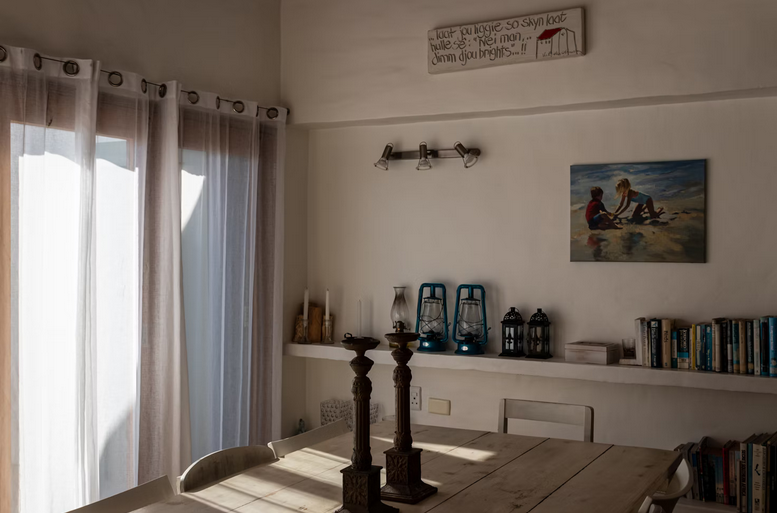
Lighting and ventilation are crucial to consider when planning a basement construction project. Adequate lighting can transform a dark, dingy space into a bright and inviting area, while proper ventilation ensures air circulation and prevents the buildup of moisture or stale air. When it comes to lighting, natural light is always preferred. Incorporating windows or window wells in your basement design will bring in sunlight and create an illusion of space. However, if natural light is limited or not feasible, installing artificial lighting fixtures strategically throughout the basement is essential.

Undertaking a successful basement construction project requires careful consideration of various factors such as building codes & permit adherence, purposeful design, sturdy foundation & structure, efficient moisture control measures, and thoughtful lighting and ventilation. By considering these essential factors, you can ensure that your basement is not only a functional space but also a safe and enjoyable one for years to come. We hope that you have found this blog post helpful.…

Outdoor Lighting and Real Estate Value: Adding Value to Your Property

When it comes to enhancing your property’s appeal and increasing its market value, outdoor lighting is an often overlooked yet powerful tool. Outdoor lighting not only enhances the beauty and functionality of your home’s exterior but also contributes significantly to its overall real estate value. Gemstone Lights in Phoenix Arizona has all the lighting services you need, and they are professionals in this field. In this article, we’ll explore how outdoor lighting can be a valuable asset when it comes to selling or appraising your property.

First Impressions Matter

Outdoor lighting plays a crucial role in creating a positive first impression of your property. The curb appeal of your home, as perceived by potential buyers or appraisers, can greatly influence their overall assessment of its value. A well-lit exterior exudes a sense of warmth, welcome, and attention to detail, making your property more attractive from the moment they arrive.

Increased Usability

Outdoor lighting extends the usability of your outdoor spaces well into the evening, creating additional living areas for entertaining, dining, or simply relaxing. Buyers and appraisers take note of these functional enhancements as they recognize the added value of a well-lit patio, deck, or garden. These illuminated spaces are seen as extensions of the home, providing more living space and potential.

Enhanced Safety and Security

Safety and security are top priorities for homebuyers. Outdoor lighting enhances both aspects by providing well-lit pathways, driveways, and entryways, reducing the risk of accidents or intruders. When appraisers assess your property, they consider these safety features, which can positively impact its value.

Highlighting Architectural Features

Outdoor lighting allows you to showcase the architectural features of your home, such as charming eaves, beautiful stonework, or intricate facades. Illuminating these elements not only adds aesthetic value but also draws attention to the craftsmanship and uniqueness of your property.

Landscaping and Garden Illumination

A well-illuminated garden or landscape can be a selling point for your property. Outdoor lighting can accentuate trees, shrubs, flowerbeds, and other landscaping features, creating a visually appealing environment. The care and attention to detail evident in a beautifully lit garden can significantly enhance your property’s perceived value.

Energy Efficiency

Modern outdoor lighting systems are designed to be energy-efficient, using technologies such as LED fixtures. Energy-efficient lighting not only reduces operating costs but also appeals to environmentally conscious buyers. This green feature can positively influence the perceived value of your property.

Attractive Nighttime Photos

When listing your property for sale, professional photographs are essential. Outdoor lighting allows for stunning nighttime photos that capture the enchanting ambiance of your illuminated exterior. These photos can make your property stand out online and in marketing materials, attracting more potential buyers.

Return on Investment

While investing in outdoor lighting may seem like an expense, it’s important to consider the potential return on investment. Well-designed and professionally installed outdoor lighting can increase your property’s resale value, often exceeding the initial investment.

In Conclusion

Outdoor lighting is not just a way to beautify your property; it’s a strategic investment that adds real estate value. By creating a visually appealing, safe, and functional exterior, you make your property more attractive to potential buyers and appraisers alike. So, whether you’re planning to sell your home or want to increase its appraised value, consider the impact of outdoor lighting—it’s an investment that can pay dividends when it comes to property value.…

The Ultimate Guide to Choosing the Right Home Building Materials

remodel

Are you ready to embark on a journey towards building your dream home? Well, buckle up because we’re about to dive deep into the world of home-building materials. Your choice of materials can make all the difference when it comes to creating a Massivhaus that not only looks stunning but also stands the test of time. With so many options out there, it’s easy to feel overwhelmed and unsure where to begin. But fear not, for this ultimate guide is here to simplify the process and help you choose wisely.

Define Your Budget and Prioritiesbudget

Before delving into the world of building materials, establish a clear budget for your project. Knowing your financial limits will help you make informed decisions without compromising on quality or functionality. Prioritize your needs, such as energy efficiency, durability, or specific design elements, to guide your material choices.

Assess Environmental Impact

In an era of increasing environmental awareness, consider the sustainability and environmental impact of the materials you choose. Opt for materials that are energy-efficient, locally sourced, and have a low carbon footprint. Look for certifications, such as LEED (Leadership in Energy and Environmental Design) or Energy Star, to ensure that your choices align with green building principles.

Consider Long-Term Durability

Home building is a long-term investment, and your choice of materials should reflect this. Invest in materials known for their durability and resistance to wear and tear. While such materials may have a higher upfront cost, they can save you money in the long run by reducing maintenance and replacement expenses.

Research and Consult Experts

Building materials evolve continuously, and there is a vast array of options available. Take the time to research different materials, their properties, and their suitability for your project. Consulting with architects, builders, or material specialists can provide invaluable insights and recommendations based on your project’s specific requirements.
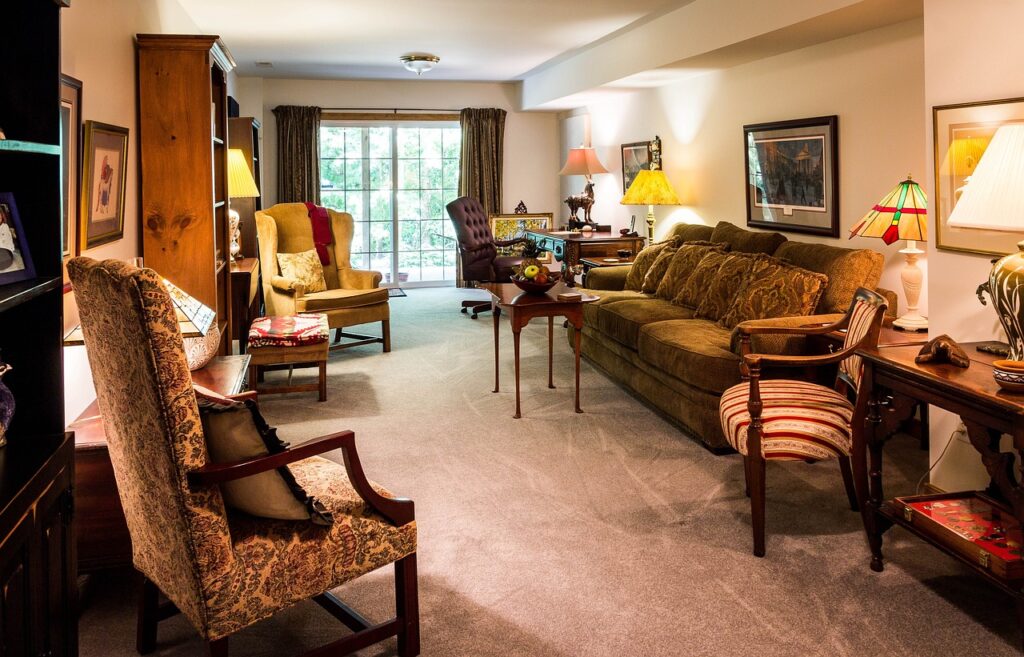
Energy Efficiency and Insulation

Energy efficiency is not just an environmental concern but also a financial one. Well-insulated homes reduce energy consumption, resulting in lower utility bills. Choose building materials with good insulation properties, such as double-glazed windows, insulated doors, and high-quality insulation materials for walls and roofs.

Aesthetics and Design Compatibility

The visual appeal of your home is influenced by the materials you select. Consider how different materials will fit into the overall design and style of your home. Whether you prefer a modern, minimalist look or a more traditional, rustic appearance, choose materials that align with your aesthetic vision.

Maintenance Requirements

Different building materials have varying maintenance needs. Some materials, like wood, may require regular sealing or painting, while others, like brick or stone, are low-maintenance options. Factor in the time and effort you are willing to invest in maintaining your home when choosing materials.

Local Building Codes and Regulations

codesEnsure that the building materials you select comply with local building codes and regulations. Some areas have specific requirements for materials due to climate, seismic activity, or fire safety concerns. Non-compliance can lead to costly delays and revisions. Selecting the right building materials for your home is a critical decision that can significantly impact its overall quality, sustainability, and appearance. By defining your budget, researching options, assessing environmental impact, prioritizing durability and energy efficiency, and considering aesthetics and maintenance requirements, you can make informed choices that align with your vision and values.…
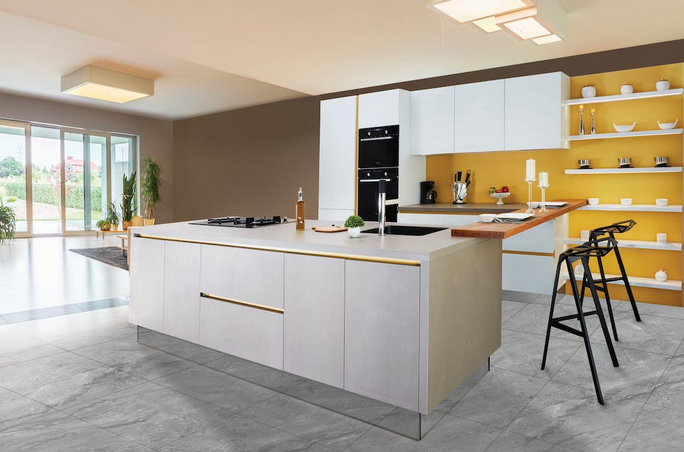
Innovative Kitchen Island Ideas That Will Add Aesthetic and Functional Features

kitchen

One element that can truly transform your space is a well-designed kitchen island. Not only does it provide additional counter space for meal preparation, but it also serves as a focal point in the room. Read more as we’re going to share some innovative kitchen island ideas that will not only elevate the aesthetic appeal of your kitchen but also offer practical features that make cooking a breeze.

Kitchen Island With Wine Fridge

Imagine having your favorite bottles of wine conveniently stored within arm’s reach as you entertain guests or prepare a delicious meal. A luxurious kitchen island with a built-in wine fridge not only adds an elegant touch but also saves valuable space in your refrigerator. The key is to find a wine fridge that seamlessly blends into the design of your kitchen island.

Opt for sleek stainless steel, or choose a custom panel option to match your cabinetry for a seamless look. Having a dedicated wine fridge on your kitchen island allows you to keep different types of wines at their optimal temperatures. White wines can be chilled, while red wines are kept at room temperature, ensuring that each bottle is served just right.

Multipurpose Kitchen Island

kitchen island

When it comes to kitchen islands, functionality is key. A multipurpose kitchen island takes this concept to the next level by offering a variety of uses and features that make it an indispensable addition to any kitchen. One way to create a multipurpose kitchen island is by incorporating built-in appliances such as a microwave or dishwasher.

This not only saves counter space but also allows for efficient meal prep and clean-up. Additionally, you can include storage solutions like shelves and drawers, making it easy to keep all your cooking essentials within reach. In fact, you can also use it as a dining area with bar stools or chairs.

Tiered Kitchen Island

This design offers different levels or tiers on the surface of the island, creating a visually dynamic and interesting focal point in your kitchen. With a tiered kitchen island, you can have designated areas for various tasks. The higher tiers could be used for food preparation, chopping vegetables, or rolling out dough. Meanwhile, the lower tiers can serve as seating areas with stools or even as storage spaces for cookbooks or small appliances.

The multi-level surfaces also create an opportunity to showcase different materials and textures. For example, you could have a marble countertop on one tier and a wooden butcher block on another. This mix of materials not only adds visual interest but also serves practical purposes by offering different surfaces suited for specific tasks.

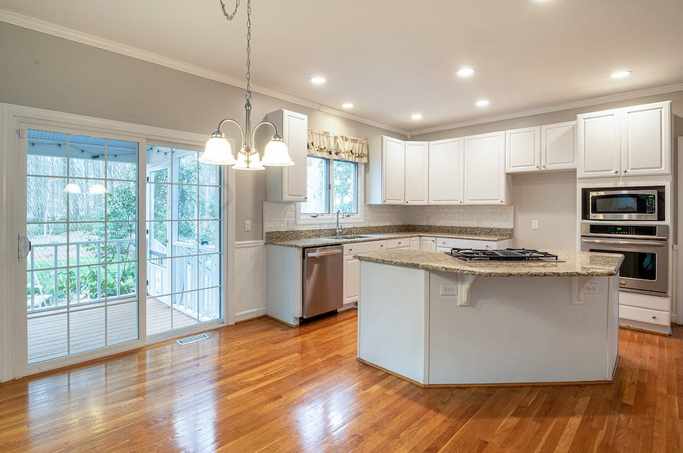
Cooktop Island

cooktopLast but not least, the cooktop island is a game-changer in kitchen design. It not only adds functionality but also serves as a focal point in the space. With a cooktop right in the middle of your kitchen, you can unleash your culinary skills while still being part of the conversation with your family and guests. Imagine effortlessly preparing meals on a sleek induction or gas cooktop, surrounded by ample counter space for chopping veggies or rolling out dough. The convenience of having all your cooking essentials within arm’s reach is unparalleled. Just ensure you install the best ventilation system and opt for the most eye-pleasing design.

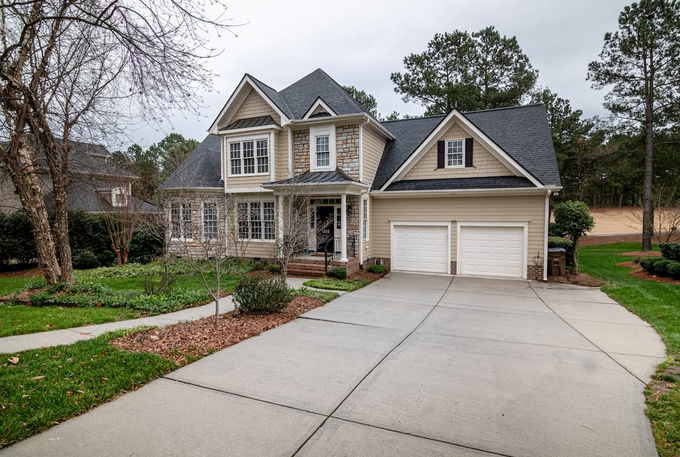
Innovative kitchen island ideas can truly transform your cooking space, adding both aesthetic appeal and functional features. From a kitchen island with a wine fridge to a multipurpose island that serves as a workstation, these creative designs offer endless possibilities for making your kitchen more efficient and stylish.…

3 Advantages of Concrete Driveways

driveway

Your driveway is more than just a place to park your car. It’s the first impression visitors have of your home, and it can make or break your curb appeal. While there are many options for driveway materials, concrete driveways offer numerous advantages that make them a popular choice among homeowners. The benefits of choosing a concrete driveway are undeniable from increasing home value to lowering maintenance costs. If you are planning to do it on your next driveway project, you should find a reliable company that can help you. Many homeowners opt for concrete driveways auckland because for their great works. Here, we will talk about the advantages of concrete driveways.

Increases Home Value

concrete

An attractive driveway can increase your home’s value significantly. A well-designed and maintained concrete driveway adds to the visual appeal of a house, making it more appealing to potential buyers. Concrete driveways are durable and long-lasting, which is another factor that adds value. When investing in a concrete driveway, you invest in your property’s future resale value. Homebuyers often prefer properties with modern designs and features, so having a stylish and functional concrete driveway can make your home stand out from the crowd. In addition to adding value to your home when it comes time to sell, an updated driveway will also enhance the overall look of your property while you continue living there.

Boosts Curb Appeal

Many are unaware that having a concrete driveway can actually boost their home’s curb appeal. A well-maintained concrete driveway creates a positive first impression of your home and enhances its overall appearance. The clean lines and smooth surface provide an elegant look that complements any architectural style. Moreover, unlike other materials such as asphalt or gravel, concrete driveways offer endless design possibilities, such as stamped patterns or colored finishes that can match the house’s color scheme. These design options allow homeowners to customize their driveways according to their preferences. Most buyers prefer homes with functional yet visually appealing outdoor spaces; hence investing in a good-quality driveway can be beneficial in terms of attracting potential buyers and increasing property value.

Lower Maintenance Cost

maintenanceHaving a concrete driveway means lower maintenance costs. Unlike other materials, such as asphalt or gravel, concrete driveways require minimal upkeep throughout their lifespan. Concrete does not need to be sealed every few years compared to asphalt. This means less money is spent on hiring professionals and purchasing sealing materials. Additionally, concrete is resistant to oil stains and other fluids that can damage the surface, making it easier to clean than asphalt. Because of its durability and strength, a well-poured concrete driveway can last up to 30 years without any major repairs. This means fewer expenses for repairing cracks or potholes caused by wear and tear over time.



Concrete driveways are a popular choice for homeowners due to their numerous advantages. They increase the value of your home and boost curb appeal with their sleek and modern look. Additionally, concrete driveways require less maintenance than other materials, such as asphalt or gravel, saving you money in the long run. We highly recommend concrete driveways for their practicality and aesthetics. It’s no wonder why they continue to be a popular choice among homeowners looking to improve their property’s functionality and overall appeal. We hope that you have found this blog post helpful.…

How to Choose a Real Estate Agent: Key Factors to Consider

home

When looking for a new home, one of the most important decisions you’ll make is who to hire as your real estate agent. There are many agents, and it can be difficult to decide which is right for you. This blog post will discuss key factors to consider when choosing a real estate agent. We’ll also provide tips on finding the best agent for your needs. Upnest.com is no-cost service to help home buyers and sellers find the best real estate agents locally to ensure competitive deals in the real estate market.

Strong Pulse on Market Trendsagent

One of the most important factors when hiring a real estate agent is their knowledge of the local housing market. The best agents will have a strong pulse on current trends and be able to provide insight into future predictions for the housing market in your area. Ask potential agents about what they think is happening right now and what they anticipate might happen in the coming months or years.

Good Knowledge of the Neighbourhood

An excellent real estate agent should know the neighborhood where you are looking for a home. They should be able to provide information about local schools, parks, and other amenities in the area, as well as any current or upcoming developments that may affect the value of homes in the neighborhood. In addition, they should understand local zoning, building codes, and other regulations that may affect future development.

Excellent Negotiation Skills

An effective real estate agent will be an excellent negotiator. They should be able to negotiate on your behalf to get you the best possible deal regarding price and other terms related to the sale of your home. Ask potential agents about their negotiation strategies and how they will work for you.

Extensive Network of Contacts

contactFinally, an excellent real estate agent should have an extensive network of contacts in the real estate and finance industry. This will enable them to connect you with lenders and other professionals who can help speed up buying or selling a home. Ask potential agents about their network and how they will use it to benefit you. Choosing the right real estate agent is an important decision, and several key factors must be considered. Make sure to ask potential agents about their knowledge of the local market, their experience in the neighborhood you’re looking at, their negotiation skills, and their network of contacts. By following these tips, you can be sure that you find a real estate agent that is right for you. Good luck.…


Different Types of Water Filters

plumbing

Water is a vital part of our lives, and it’s important to make sure that we’re drinking clean water. Not all water is created equal, however, and some water contains more impurities than others. That’s why it’s important to have a water filter to remove these impurities and make your water safe to drink. In this blog post, we will discuss the different types of water filters available on the market today. To know more, visit gripelements.com.

Mechanical Filters

mechanical filterOne of the most common types of water filters is the mechanical filter. This type of filter works by trapping impurities in a physical barrier, such as a mesh or screen. The water is then able to pass through the filter, leaving the impurities behind. Mechanical filters are effective at removing large particles from your water, such as dirt and sediment. One downside of mechanical filters is that they can become clogged over time and must be replaced or cleaned periodically. Another downside is that they are not effective at removing smaller particles, such as chemicals or bacteria.

Absorption Filters

Absorption filters are designed to remove impurities from water by trapping them in a porous material. The most common type of absorption filter is the activated carbon filter, which is made of tiny pores that trap contaminants as water passes through them. Activated carbon filters are effective at removing a wide range of contaminants, including chlorine, lead, and mercury.

Sequestration Filters

Filter pipersSequestration filters are designed to remove dissolved minerals from water. This is accomplished by passing the water through a bed of media that selectively removes the minerals.

The most common type of sequestration filter is a reverse osmosis (RO) system. RO systems use a semi-permeable membrane to remove dissolved minerals, including salts, from water.

Ion Exchange Filters

Ion exchange filters are one of the most popular types of water filters. They work by exchanging ions in the water with ions from the filter media. This process removes impurities from the water and makes it safe to drink. Ion exchange filters are available in a variety of sizes and styles, so you can find one that fits your needs.

Reverse Osmosis Filters

water filterReverse osmosis filters are designed to remove impurities from water by forcing it through a semi-permeable membrane. The pores in the membrane are small enough to allow water molecules through, but not larger particles such as contaminants or minerals. Reverse osmosis is one of the most effective ways to filter water and remove impurities. It is often used in commercial and industrial settings but can also be used in the home. Reverse osmosis filters require regular maintenance and replacement of the filter cartridges. They can be costly to operate but produce high-quality water.

Water filters are an important part of any household. They help to ensure that you’re drinking clean, safe water. There are a variety of different types of water filters available on the market today, so it’s important to choose one that fits your needs. We have discussed some of the most common types of water filters in this blog post.…

Good Benefits of Taking Care of Your Trees’ Health

pathway

Trees are one of the most brilliant aspects of our environment. Not only do they provide shade and help to beautify our surroundings, but they also play an essential role in our ecosystem. Therefore, we must take care of our trees and ensure their health and well-being. It’s especially if you have beautiful trees in your backyard. However, sometimes we need professional help to take care of our trees. When it happens, consider hiring the tree removal Schaumburg IL. Now, let’s discuss the good benefits of taking care of your trees.

Improves Air Quality

fresh airOne of the most important benefits of taking care of your trees is that it helps to improve air quality. Trees absorb harmful pollutants and toxins from the air, which can help to improve the quality of the air we breathe. In addition, trees release oxygen into the atmosphere, which can help to improve our respiratory health. What’s best about trees is that you can also open your windows to let the fresh air in and enjoy the good benefits of taking care of your trees’ health in the early morning.

Reduces Energy Costs

Another benefit of taking care of your trees is that it helps conserve energy. Trees can provide shade and allow you to cool down your home during the hot summer months. It can help reduce your air conditioning costs and help you save money on your energy bills. In addition, trees can also provide windbreaks during the winter months, which can help to reduce your heating costs.

Reduces Soil Erosion

Moreover, when you love and take care of the trees in your home, it helps to reduce soil erosion. Trees help hold the soil in place and prevent it from washing away during heavy rains. In addition, trees also help add organic matter to the soil, improving its fertility and making it more productive. This makes it easier for other plants to grow and helps to improve the overall health of your garden.

Makes Lives Better

happy momentNow, let’s talk about the social function of trees. Every family needs a tree, especially the big one that provides shade in summer and a beautiful one to look at from every home window. It’s been proven that looking at trees can help reduce stress levels and improve our overall mood. In addition, trees also provide a sense of community and belonging. They bring people together and help to create a sense of place.

Trees are an essential part of our lives, and we must take care of them. The benefits of taking care of your trees are numerous, and they play a vital role in our ecosystem. So, give your trees the love and care they deserve. If you need help with tree removal or other tree services, don’t hesitate to contact the tree removal Schaumburg IL. They will be more than happy to help you out.…

Helpful Tips to Improve the Security of Your Property as a Landlord

security

As a landlord, it is essential to take precautions to protect your property. Criminals are always looking for an opportunity to take advantage of someone, and you don’t want to be the victim of a crime. In this blog post, we will discuss some helpful tips that will improve the security of your property. For instance, you can hire a Locksmith Montreal to upgrade your property’s locks better. Along with that, follow these tips, and you can rest assured that your tenants and property are safe.

Update the Lock System Regularly

door lockOne of the best things that you can do to improve the security of your property is to update the lock system regularly. This may seem small, but it can go a long way in deterring criminals. By updating the locks, you are making it more difficult for criminals to break into your property. Additionally, it would help if you also considered installing a security system.

A security system will add an extra layer of protection to your property. It is important to remember that criminals are always looking for the path of least resistance. By making it more difficult for them to break into your property, you will deter them from even trying.

Invest in Quality Security Cameras

cctvAnother helpful tip is to invest in quality security cameras. Security cameras can be an excellent deterrent for criminals. They are also a great way to monitor activity on your property. If you have a security system, make sure that the cameras are visible. This will serve as a deterrent for criminals, and it will also help you identify any suspicious activity.

Install an Alarm System

An alarm system is another excellent way to deter criminals. If you have an alarm system, make sure that it is visible. It will serve as a deterrent for criminals and help you identify any suspicious activity. Additionally, it would help if you considered investing in a security system with remote access. This way, you can monitor your property even when you are not there.

Hire a Security Guard

security guardFinally, if you want to step up the security of your property, you can hire a security guard. A security guard will provide a physical presence on your property. They will also be able to monitor activity and identify any suspicious behavior. Additionally, they can act as a deterrent for criminals. This is an excellent option if you have the budget for it.

So, there you have it. These are just a few helpful tips that you can use to improve the security of your property. You can rest assured that your property is safe from criminals by taking these precautions. Remember, it is always better to be safe than sorry. So, don’t wait until it’s too late to take action. Implement these security measures today, and you will be glad that you did.…